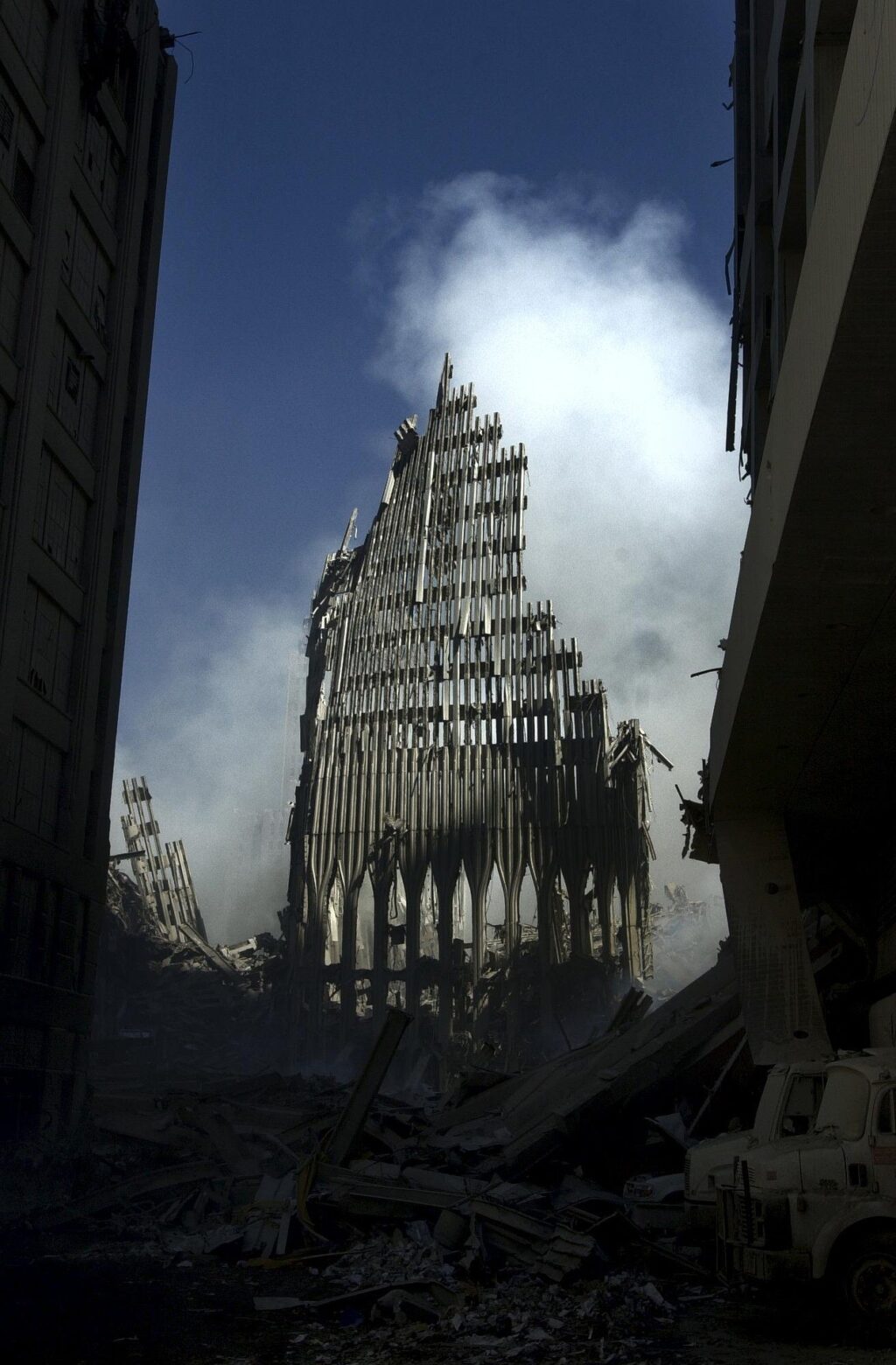
New York City is preparing for the 25th anniversary of the September 11 attacks, and the scale of Friday’s commemoration reflects how central that date remains to the city’s calendar. The National September 11 Memorial and Museum is a memorial and museum built on the World Trade Center site in Lower Manhattan that honors the nearly 3,000 people killed in the 2001 attacks and the six killed in the 1993 bombing of the towers. It will host the central ceremony on the plaza where the World Trade Center once stood, continuing a tradition of public remembrance that has run every year since the site opened in 2011.
Friday’s program begins at 8:30 a.m., with the first of seven moments of silence at 8:46 a.m., the time the first hijacked plane struck the North Tower. The National September 11 Memorial and Museum opens its plaza to family members three hours earlier, at 7 a.m., and many spend the morning reading the victims’ names aloud in pairs, a process that stretches on for hours given how many names there are to read. The other six moments of silence mark when each tower was struck and fell, when the Pentagon was hit, when Flight 93 crashed in Pennsylvania, and when the ceremony pauses to honor those who have died since from illnesses tied to their time at Ground Zero.
The anniversary now reaches well past the memorial plaza itself. St. Paul’s Chapel, which stood a block from the towers and sheltered rescue workers during the recovery effort, will ring its Bell of Hope at 8:46 a.m. in the four-bell pattern the FDNY uses when marking the loss of one of its own. That continued participation, 25 years on, shows how far the commemoration has spread across Lower Manhattan since the attacks.
The skyline itself carries its own marker of the day each year. The Tribute in Light sends two beams of light rising from a site near the memorial from dusk on September 11 through dawn the next morning, a display the Municipal Art Society of New York has organized every year since 2002. What began as a temporary gesture in the months after the attacks has become a fixture of the September calendar.
Cultural institutions across the city have built their own programming into the day. The New York Philharmonic will perform at the Perelman Performing Arts Center on the afternoon of September 11, including a new composition written for the occasion, and a memorial Mass at St. Patrick’s Cathedral the evening before will draw clergy and mourners ahead of the main ceremony. An interfaith service at St. Nicholas Greek Orthodox Church, rebuilt on the site of the church destroyed in the attacks, adds a third house of worship to the schedule.
Civic institutions have folded the anniversary into their regular calendars as well. The Yankees will open a Subway Series against the Mets on September 11 with a tribute to first responders, and the Intrepid Museum is running a multi-day volunteer effort packing meals through New York Cares in the days surrounding the anniversary. A reunion performance of Come From Away, the musical built around the passengers diverted to Newfoundland on the day of the attacks, follows two days later at the same performing arts center hosting the Philharmonic.
A quarter century has changed who is doing the remembering. A growing share of New Yorkers alive today were born after 2001 and know the attacks only through what they have been taught, in classrooms and at home.
Researchers who study how societies retain difficult history point to that shift as the reason ceremonies like Friday’s carry added weight with each passing year. Faculty at Borough of Manhattan Community College, whose campus overlooks the memorial site, have noted that fewer residents now hold a direct memory of the day, which shifts more of the responsibility for carrying the story forward onto the plaza reading, the bell, and the light display, and away from lived experience. The National September 11 Memorial and Museum, which also maintains an oral history archive drawn from thousands of firsthand accounts, has become the primary place where that transmission happens.
That transmission is now as much the point of the anniversary as the mourning is. Each name read aloud, each bell rung, and each beam of light sent into the sky teaches a new generation of New Yorkers what the date means, work the city will keep doing long after the last person with a direct memory of September 11, 2001, is gone.